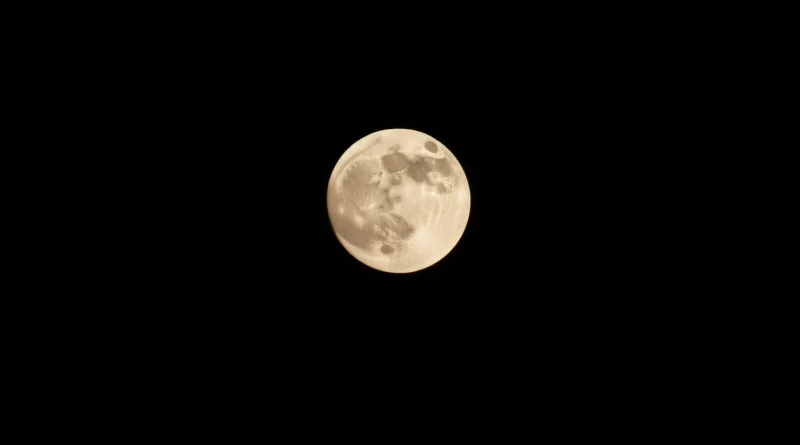
UK ‘Moonsighting Academy’ Aims to Unite Science and Faith to Resolve Calendar Disputes
The University of Leeds has partnered with the University of Cambridge and the New Crescent Society to launch a pioneering project designed to teach the traditional Islamic practice of moonsighting through modern astronomy.
The initiative, dubbed the “Moonsighting Academy,” is the first course of its kind in the UK. It aims to address long-standing disagreements within the British Muslim community regarding the Islamic calendar by training a new generation of local experts.
The “Moon Wars” Phenomenon
The Islamic calendar follows lunar cycles, with the beginning of each month determined by the sighting of the first crescent moon. However, the specific astronomical conditions required for visibility, combined with the UK’s historically overcast weather, have forced British mosques to look elsewhere for guidance.
“When Muslims first came to the UK, they faced a problem that many people face in British astronomy—the cloudy weather,” explained Imad Ahmed, the project coordinator and director of the New Crescent Society. “They settled on a solution to follow the moon of a different country.”
Most UK mosques currently rely on sightings from nations such as Saudi Arabia or Morocco. Because the crescent moon becomes visible in different locations on different days, this reliance has led to what are locally termed “moon wars,” where neighbouring mosques may observe major religious events like Ramadan or Eid on different dates.
Ahmed described the community friction caused by this uncertainty: “Growing up, something I and all Muslims faced in the UK is every single Ramadan or Eid, we didn’t seem to know when we should be celebrating, and this has caused a lot of hurt in the community.”
Bridging Science and Tradition
The nine-month course, which began in December, is training 38 community leaders, including imams, school teachers, artists, and business owners. Participants have access to the University of Leeds’ rooftop observatory and state-of-the-art 35cm telescopes.
The goal is to establish a domestic standard for determining the calendar. “We can see the moon from Britain, we don’t need to have someone in another country looking at it for us,” said Aliyah Khan, a science teacher and course participant. She described the experience of celebrating Eid on a different day to her friends as “isolating” and divisive for the community.
Khan views the project as a method of “bridging scientific knowledge and Islamic practise” and hopes to educate the next generation.
Reviving Astronomical Heritage
Organisers emphasise that the project is not just a solution to a logistical problem, but a revival of Islamic heritage. Ahmed noted that Muslims have a “really strong history in astronomy,” adding that his goal is to shift the community “from moon fighting to moonsighting and moon uniting.”
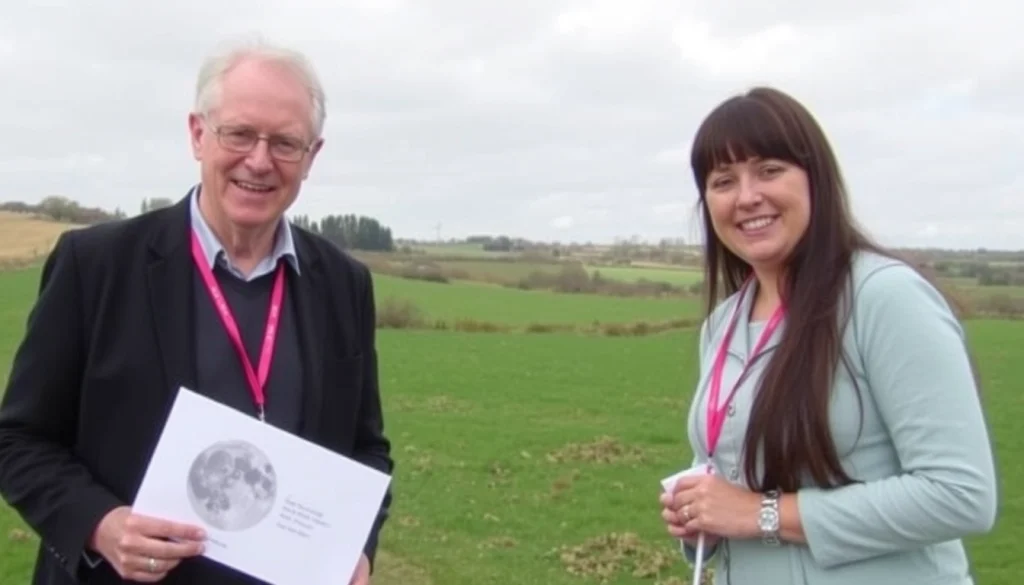
Dr. Emma Alexander, an astronomer at the University of Leeds and project co-lead, highlighted the broader cultural impact of the initiative.
“The course has opened up much more of an interest in the interlink between astronomy and culture in general—how people within different communities, different faiths, interact with our night sky,” Dr. Alexander said. She added that the project helps dismantle stereotypes regarding who can be an astronomer.
The academy aims to “bring the moon back home,” according to Ahmed, ensuring that future religious observances are determined by local eyesight rather than international phone calls.